
Scott Li & Claire Zhang - SOLSTICE
Scott Li & Claire Zhang
solstice
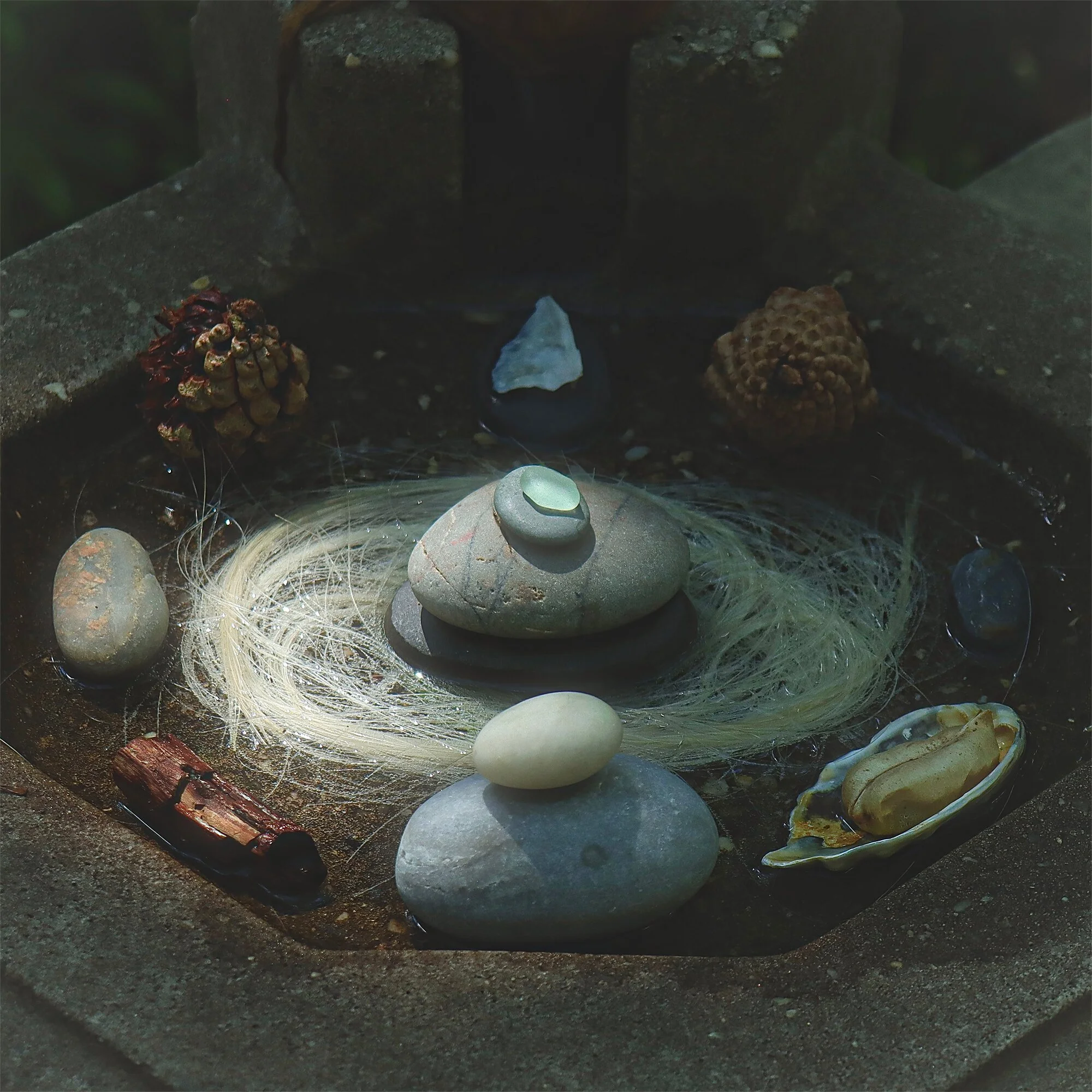
Release date: November 20, 2026
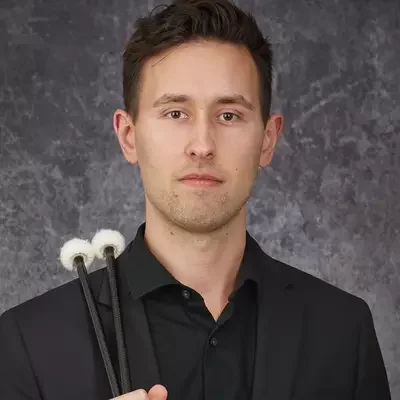
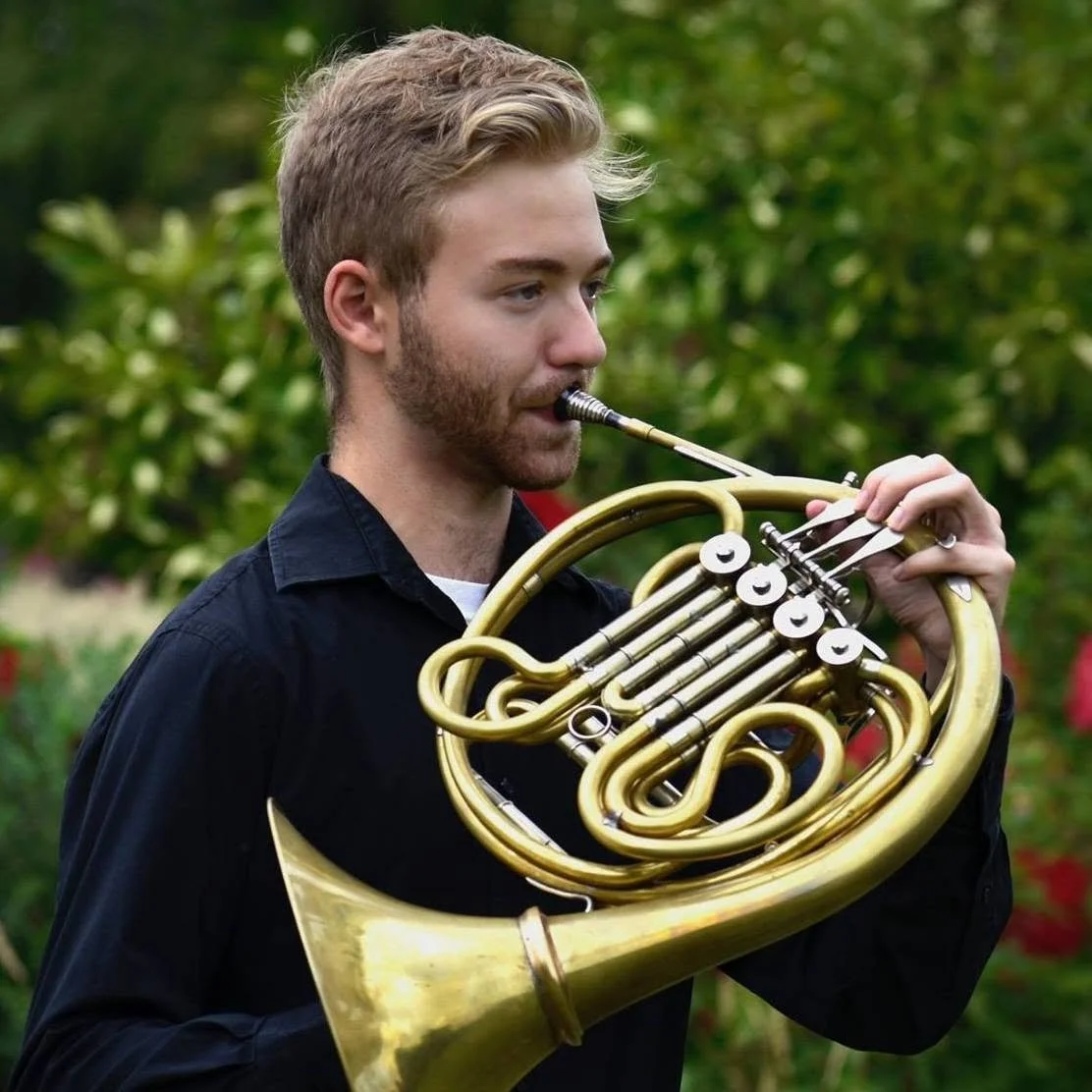
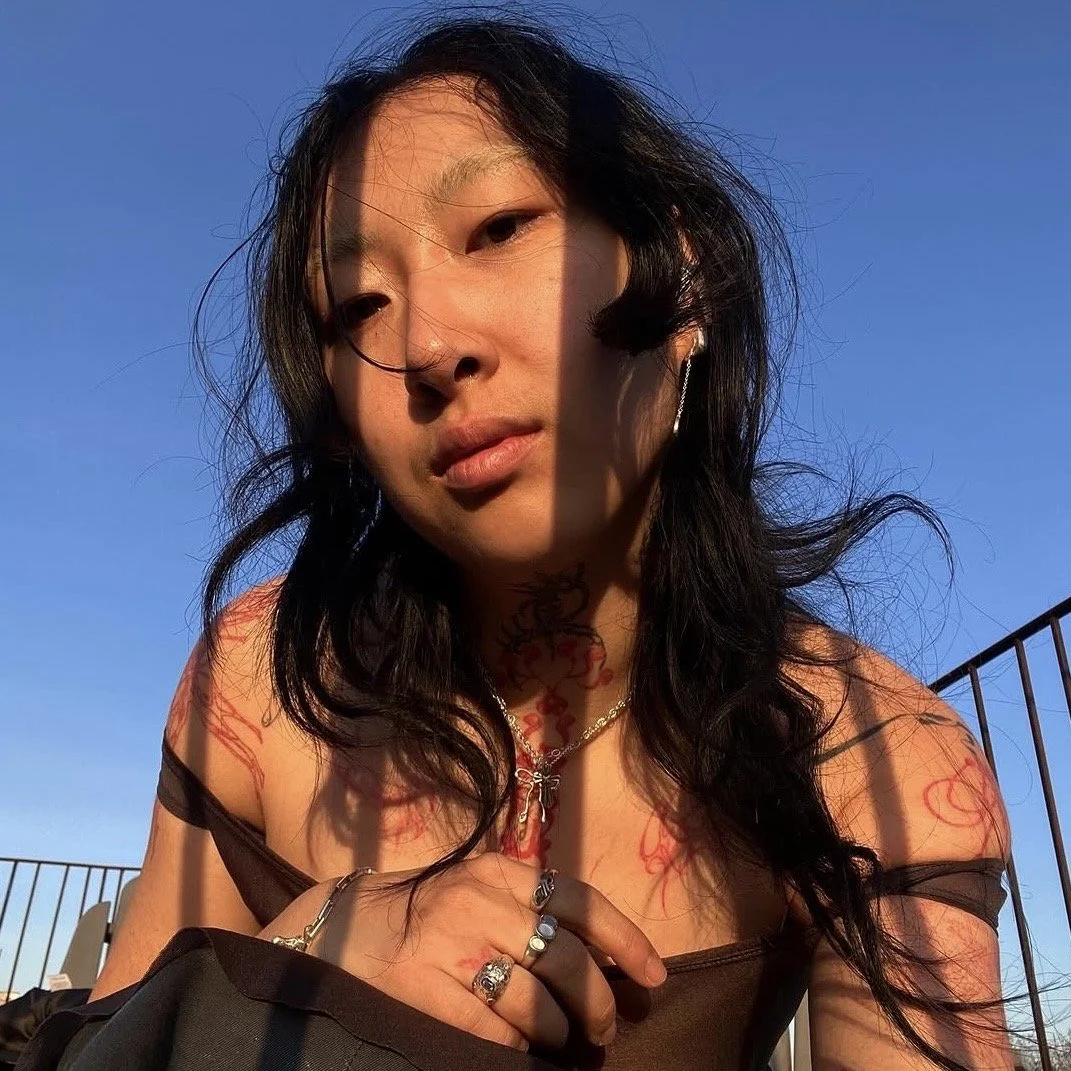
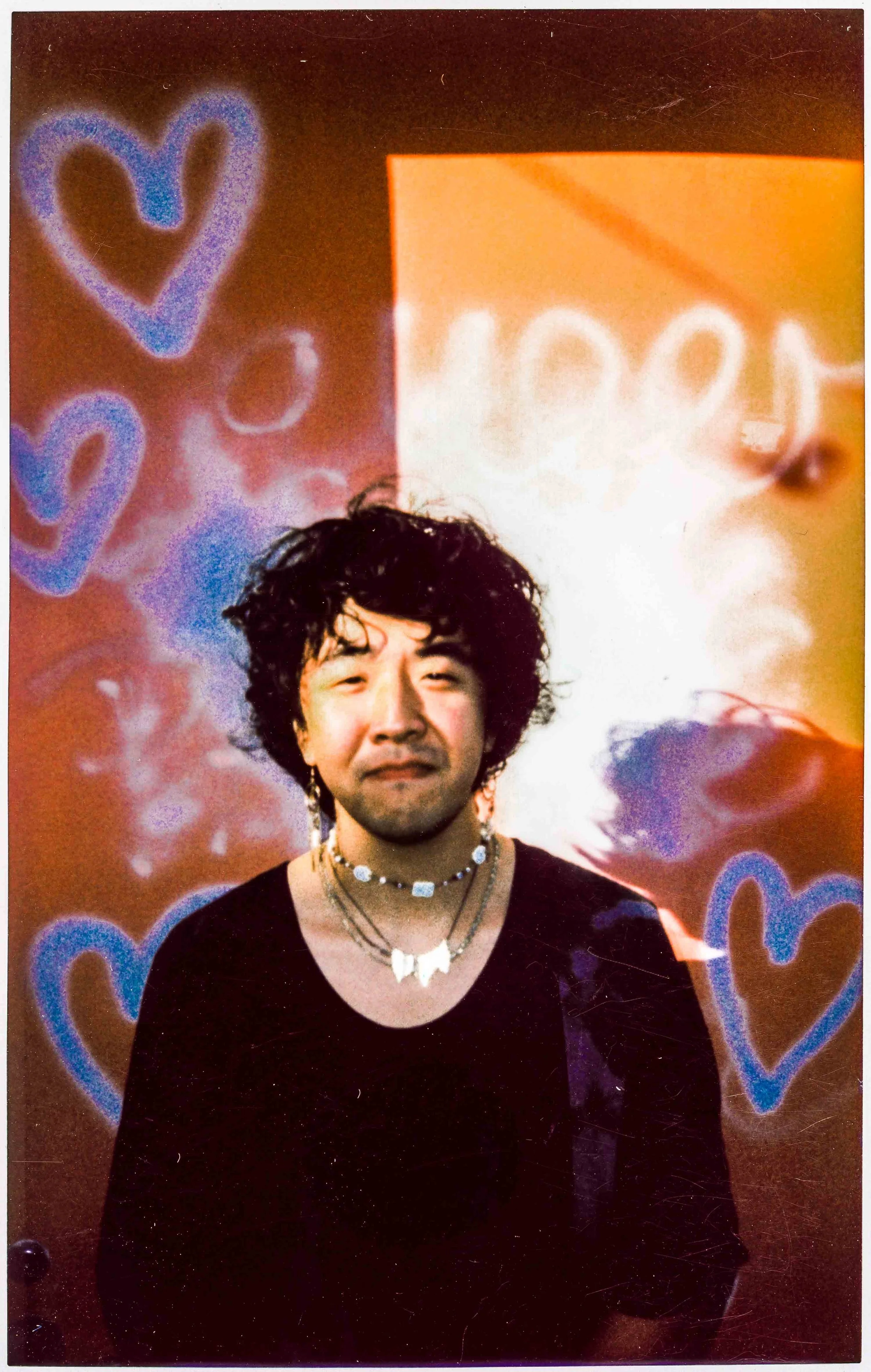
On October 13, 2026, New Amsterdam Records announces SOLSTICE, a multimedia musical work created by composer and New Amsterdam Genre-Fluid Composer's Lab alumni Scott Congyu Li (he/him) alongside writer Claire Beini Zhang (they/them) in collaboration with filmmaker Lukas Mackinney (he/him), French hornist Eli Pandolfi (he/him), and percussionist Matthew Kibort (he/him). The full album will be released on November 20, 2026.
Commissioned by the New World Symphony Center in Miami in 2022, SOLSTICE was born from, and anchors itself, in the years-long collaborative project between Scott Li’s music and Claire Zhang’s writing. SOLSTICE is an eight movement electro-acoustic work which uses the four seasons as a frame to create a space of veneration, mourning, and release. Through the eight emotionally charged movements, Zhang and Li explore the question “can a performance, a work, an album, be a site of burial?”
The eight movements range from entirely improvisational to tightly fixed and notated. SOLSTICE was written as a modular work, allowing for a different set of performers joining the beginning and ending every time, taking on melodies and providing their own emotional and musical reactions to the text. What is recorded within the album comprises the most representative presentation of the piece yet.
-
“That these letters, if I may call them that, have instead become a ritual of repetition, and through this ritual, like a word repeated until it has lost its original meaning, taking on something new, through returning to the same points in this cycle, over and over and over again, I may coalesce these words into a single point, a point so bright and dense that it explodes from the inside, a supernova showering light over this struggling body of mine.” — “Equinox” from SOLSTICE
“This line from track 7 is essentially the thesis of the work, that through this music, the listener themselves might be able to reach some point of catharsis, of release, of metabolization,” says Zhang. “The work itself is a work of transformation, a work that has transformed with us the musicians and collaborators, a work that is alive. My hope is that the album will also accompany the listener through their own transformations, providing courage and a path throughout their own sifting, looking into their voids of remembrance.”
Composer Scott Li spent his years in collaboration with Zhang exploring the relationship between language and music. Says Li, “I sat with each written piece and really thought about what mood it conveyed and what it was saying. Was it a moment of grief, the in-between feeling, the quality of the weather, did it feel cold and isolated, or was it celebratory and warm?” The two of them traded writing and music back and forth through phone recordings, text messages, notes on the notes app, until in 2020, 6-song collection of demos became the prototype for SOLSTICE. In 2022, French hornist, and close friend of Li’s, Eli Pandolfi, spent time as a fellow at the New World Symphony where he commissioned SOLSTICE to become an evening length concert.
Beginning in summer and ending in spring, SOLSTICE hopes to capture the longest days and the longest nights. How light and its presence or absence helps us achieve states of elation and tranquility, or states of rumination and grief; how both are rituals to be venerated.
Zhang explains, “The narrative of the album broadly follows the structure of a relationship, falling in love, intentions the speaker holds in the relationship, the subsequent heartbreak and process of letting go. However, I have come to think of this narrative as broadly applicable to the ritual of letting go of any loss. The first spoken words are ‘Imagine this: You write down the words you wish to be told most in the world. Each sentence starts with 'I will.'’ From there, one could imagine that everything that follows is a manifestation of these sentences. Repeated imagery also calls and echoes to each other across the movements—mountains, dreams, lines, ritual, burial, time and repetition. These are also repeated in the techniques of delivery, mainly through the ritualistic repetition of phrases, words, moments in the writing that is improvised with each movement and performance. The music is constantly changing as the narrator themselves changes, looking back, looking forward, looking straight into the void that their present life feels to be.”
As the album transitions to darker seasons, Tracks 4 and 5 stand out as the most difficult, elegiac, and tried. The intense repetitions, and vocal manipulations in “Mantra” were inspired by William Basinski’s “Disintegration Loops” and Alvin Lucier’s “I Am Sitting In A Room”—this idea of deterioration was a choice that felt important in the cyclical spirit of the work. Inspired by Olivier Messiaen “Louange à l'Éternité de Jésus,” “Burial,” with its heavy block chords and yearning violin explores the fully acoustic side of the album (in contrast with the dense electronics heard in “Convergences”).
All the sonic and emotional momentum built up to this point is stripped away, yet their absence leaves a charged silence for Zhang’s solo spoken word to be soaked in by the listener on “Rite.” From those ashes emerges “Equinox”, named after the Vernal Equinox, a time for renewed growth, warmth, rejuvenation, and celebration. A kaleidoscopic celebration of life, “Equinox” releases all that has been previously restrained: the violin re-emerges, this time in its full glory, accompanied by an orchestral bed of synthesizers that grow and grow in intensity, reflecting the memories of a lifetime, and collapsing them in sheer celebration. Following this flash, album closer, “The mountain,” exists as a space to hold what remains, a final thesis declaration amidst a delicate, 12-minute musical improvisation that represents a gradual ascension to a higher plane.
-
Tracklist and Credits
I Will
Convergences
Lights Fissuring
Mantra
Burial
Rite
Equinox
The First
Violin and Electronics: Scott Li
Text and Spoken Word: Claire Zhang
French Horn: Eli Pandolfi
Percussion: Matthew Kibort
Mixed and Produced by: Scott Li
Recorded by: Scott Li, Roberto Toledo
Mastered by: Jonas Dobbelaere
PRESS & NEWS
ARTIST
COMPOSER